# Open vs. Enclosed Car Transport: Understanding the Differences
When arranging vehicle transportation, one of the most important decisions is whether to choose open or enclosed car transport. Both methods can move vehicles between locations, but they differ in trailer design, protection from outdoor conditions, availability, and price.
The right choice depends on the type of vehicle you own, your budget, your route, and how much additional protection you want during transportation.
## What Is Open Car Transport?
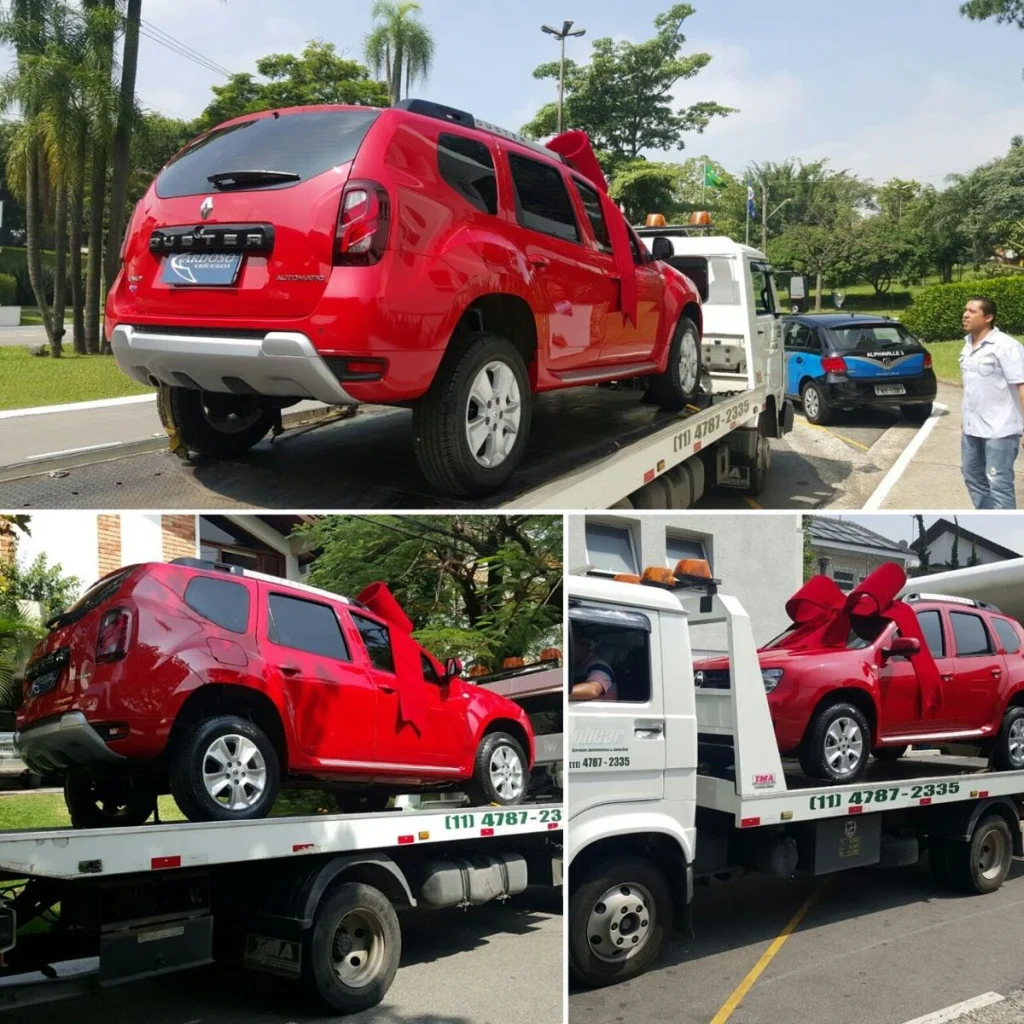
Open car transport uses a carrier with an exposed vehicle deck. These carriers commonly move multiple vehicles during one trip and are widely used for standard automobiles, sedans, SUVs, and many pickup trucks.
### Benefits of Open Transport
**Potentially economical:** Open transport may cost less than enclosed shipping, depending on the route, season, vehicle, and carrier availability.
**Widely used:** Open carriers are common in vehicle transportation, making this method worth considering for many domestic routes.
**Suitable for many everyday vehicles:** Standard passenger cars and many SUVs can be transported on open carriers if their dimensions, condition, and loading requirements are compatible.
### Things to Consider
Vehicles on open carriers are exposed to weather, road dust, and ordinary outdoor conditions during transit. This does not mean damage will necessarily occur, but it is an important distinction when comparing transport methods.
## What Is Enclosed Car Transport?
Enclosed car transport moves a vehicle inside a covered trailer. The enclosure provides a physical barrier against many external elements and may be particularly appealing for classic cars, luxury automobiles, collectible vehicles, and cars with special finishes.
### Benefits of Enclosed Transport
**Additional weather protection:** The covered trailer helps shield the vehicle from rain, snow, road spray, and direct exposure to outdoor conditions.
**Reduced exposure to road debris:** The enclosure creates a barrier between the vehicle and many objects encountered during travel.
**Appropriate for special vehicles:** Owners of rare, restored, collectible, or high-value automobiles may prefer enclosed transport when additional physical protection is important.
### Things to Consider
Enclosed shipping commonly costs more than open transport because covered carriers may have different operating costs and vehicle capacity. Availability and scheduling can also vary by route.
Customers should review the actual coverage terms instead of assuming that enclosed transport automatically includes a particular level of insurance.
## How Do the Costs Compare?
The price of either method can depend on distance, route popularity, season, vehicle dimensions and weight, operating condition, pickup and delivery locations, and carrier availability.
Enclosed transport may have a higher price because of specialized equipment and operating expenses. Open transport may be a practical starting point for customers seeking a widely used shipping method.
When comparing quotes, ask whether the amount is estimated or confirmed, what the price includes, and whether extra charges could arise from changes to the shipment or difficult access. Review payment deadlines, cancellation terms, and the applicable coverage arrangements before booking.
## Which Option Should You Choose?
Open transport may be suitable if you are shipping a standard daily-use vehicle and want to compare a commonly used transportation option.
Enclosed transport may be worth considering if your vehicle is a classic, luxury, collectible, or specially finished automobile, or if you place a high priority on limiting exposure to outdoor conditions.
Neither method is automatically right for every customer. Consider the vehicle’s requirements, budget, route, schedule, and written service terms before making a decision.
## Prepare Your Vehicle for Either Method
Before pickup, remove personal belongings and valuables, clean the exterior, take dated photographs, and secure loose accessories. Disclose mechanical issues and follow the provider’s instructions about fuel, keys, and loading requirements.
Review the vehicle inspection report or bill of lading at pickup and delivery. Keep copies of relevant documents and follow the carrier’s procedure for reporting damage or discrepancies.
## Explore Your Options with Car Paramount Transport
Car Paramount Transport offers open car transport and enclosed car transport, along with door-to-door auto transport and state-to-state vehicle shipping.
To discuss the best option for your vehicle and route, call (469) 530-2113 or email info@carparamounttransport.us. Share your vehicle type, pickup and delivery locations, and preferred dates to help assess suitable shipping options.
Understanding the differences between open and enclosed transport can help you choose a service that aligns with your vehicle’s needs and your transportation plans.